
Our work
Our work
We're dedicated to promoting children’s rights and gaining equality for girls everywhere
Since 1937, Plan International has been promoting the rights of children around the world. We work with our partners in over 80 countries, making sure children in some of the poorest communities are safe and protected from violence.
We provide access to essential services, including education, healthcare, clean water and toilets. And we’re there when disasters happen, providing emergency relief and supporting communities to recover, rebuild and develop their resilience.
We’re also dedicated to improving girls’ lives globally – including right here in the UK. By working with young people, we’re challenging gender inequality, campaigning against harmful practices like child marriage and enabling girls everywhere to build a better future.

68,000 childrenin 36 countries are sponsored by Plan International UK

10 million peoplearound the world were reached by our work in 2022 - 2023
13,700 campaignersstood with us to fight for equality for girls last year
YOU CAN CHANGE THE WORLD FOR CHILDREN
SPONSOR A GIRL
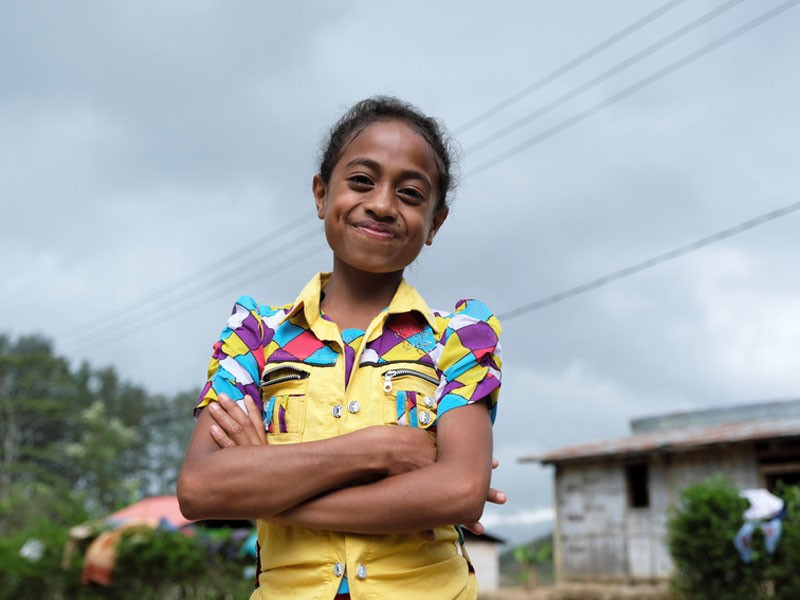
Our child sponsorship programme supports communities in 36 countries to educate, empower and protect children. By sponsoring a girl, you can help girls like Santina thrive.
“One of the biggest challenges facing girls here is child marriage. A lot of my school friends in years 10 to 12 are already getting married.” says Santina, 11, from Timor Leste.
Your donations will support more girls to get an education, equipping them with the knowledge and skills to raise their voices and stop harmful practices like child marriage, allowing girls like Santina to decide their own futures.
CRIME NOT COMPLIMENT
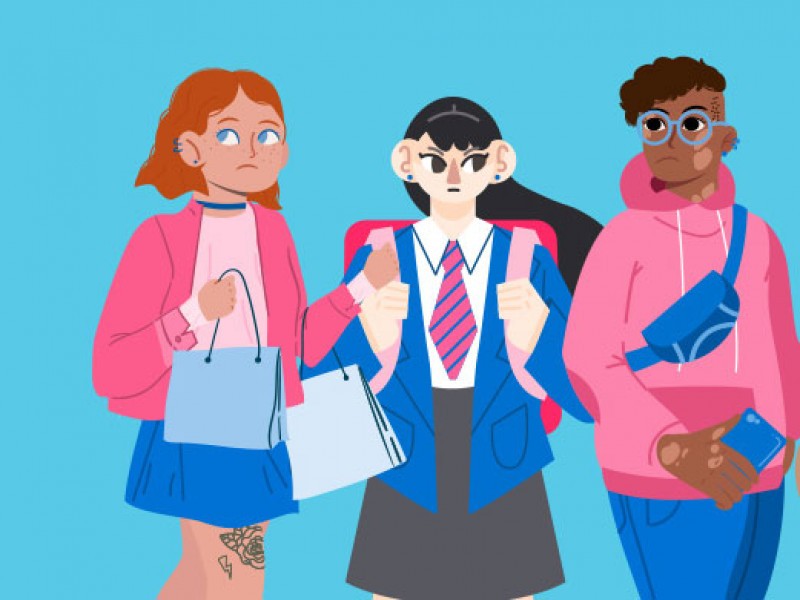
Our ground-breaking new research confirms the urgent actions needed to end public sexual harassment and to ensure girls are safe in public places. Girls across the UK have spoken out, and this relentless behaviour needs to stop.
We need as many people as possible to join the call to show MPs we must make public sexual harassment a crime. Add your name to join the campaign and stand in solidarity with our call to make our streets safer for everyone.
Fundraise for us
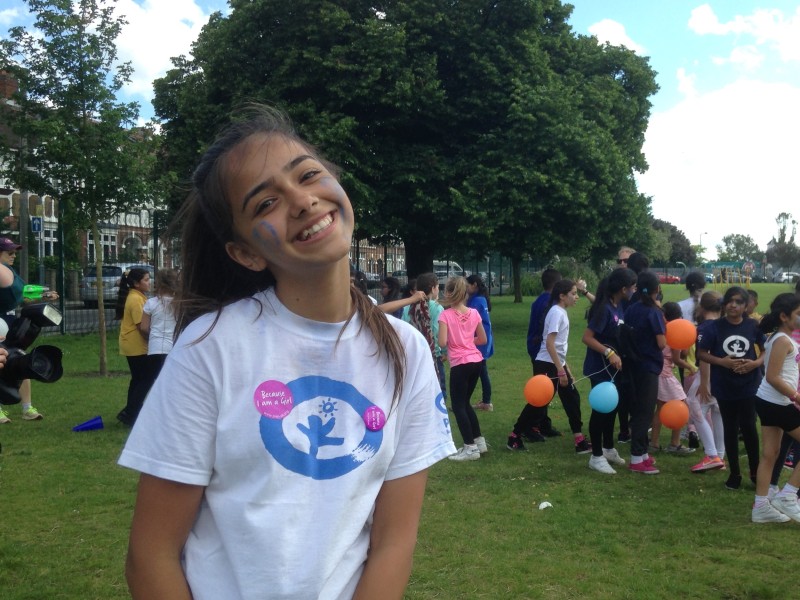
I love knowing the money we raise will help everyone in the community.
From organising 10k runs to hosting bake sales – fundraisers like Tiharna are constantly amazing us with their activities. Being part of Team Plan is a very special experience – and there are so many ways you can get involved. Whether you want to walk, run or cycle, fundraise at your school or ask for donations instead of wedding gifts, we’ll support you all the way!
Find out more about our work
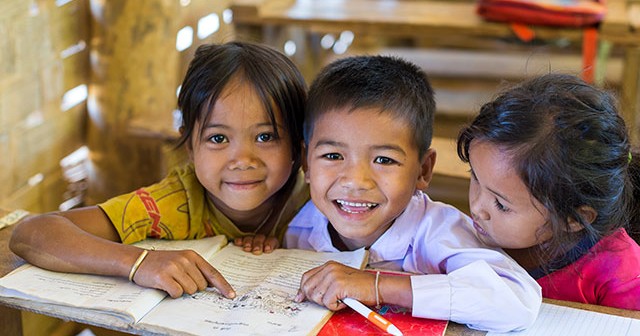
Education
Protecting every child’s right to an education and challenging the barriers that keep girls out of school.
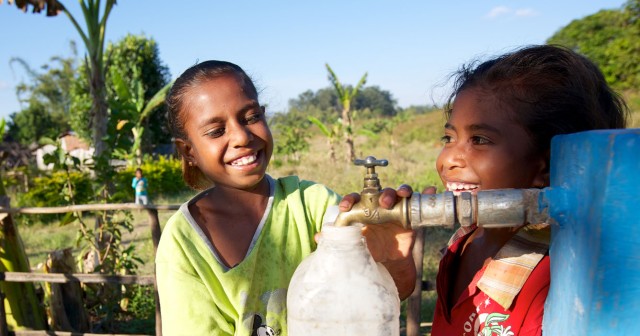
Health and water
Improving access to healthcare, clean water and toilets and protecting girls’ health rights.
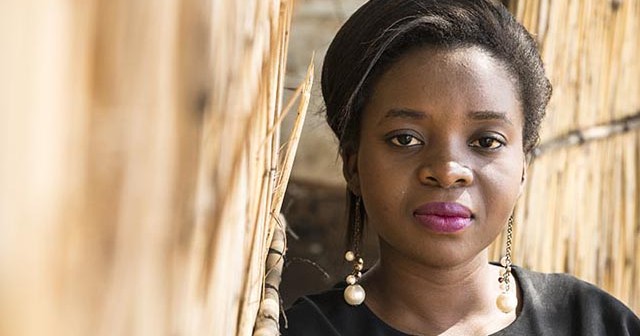
Ending child marriage
Working with girls, their families and communities to end child marriage around the world.
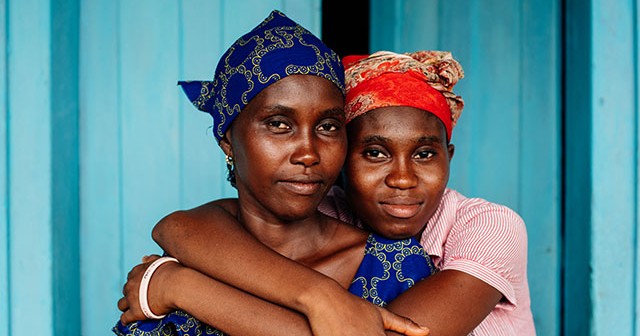
Female Genital Mutilation
Working with girls and their communities to protect future generations from FGM.
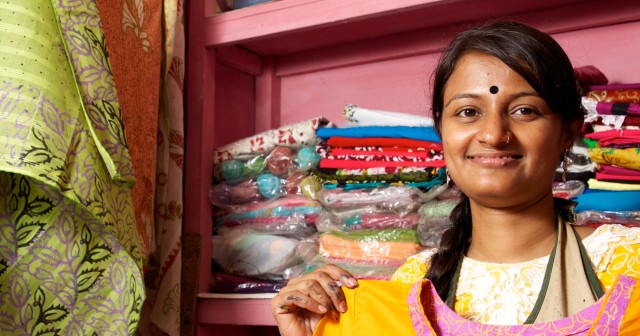
Economic Empowerment
Supporting children and their families to gain financial stability and secure a brighter future.
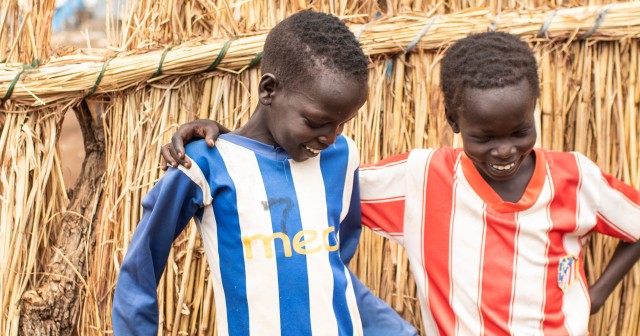
Disasters and Emergencies
Protecting children in times of crisis and helping communities prepare for future disasters.
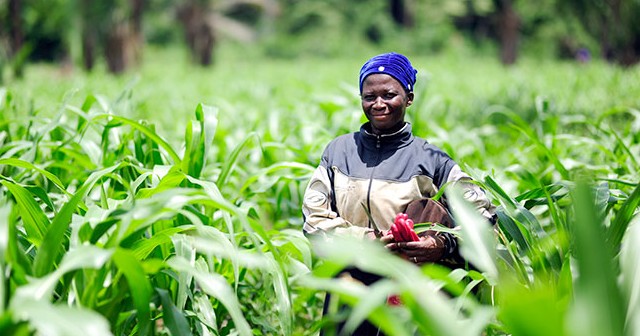
Climate change and young people
Young people across the world are battling more frequent and extreme weather and climate conditions, which are destroying crops, homes and livelihoods.
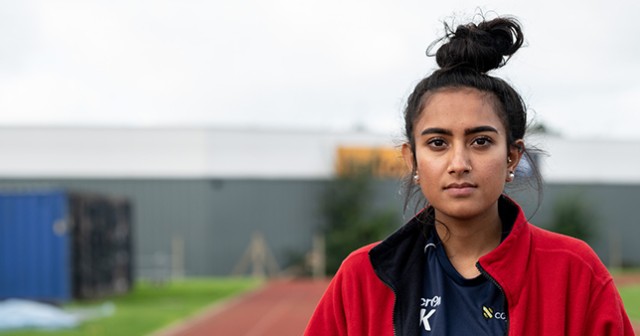
Girls' Rights in the UK
Addressing inequalities facing UK girls through ground-breaking reports and programmes.