
About us
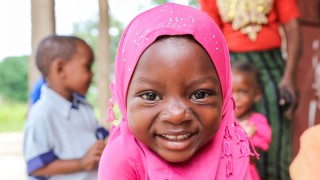
About us
Around the world, we’re working to make sure every child has the same chance in life
Plan International UK is a global children’s charity. We work with girls and boys growing up in some of the world’s poorest communities, making sure they have access to the education, health care, clean water and future opportunities they need to thrive.
We’re also working to create a just and equal world for girls – including here in the UK. Through our Because I am a Girl campaign we’re standing with brave girls everywhere as they take on the issues that matter to them, from child marriage to street harassment and sexual exploitation at work.
We’re fighting for a world where every child, especially every girl, knows their value. We want the communities they’re growing up in – and the world around them – to value them too. And if a disaster strikes we’re there to protect children, keep them learning and help them to recover.
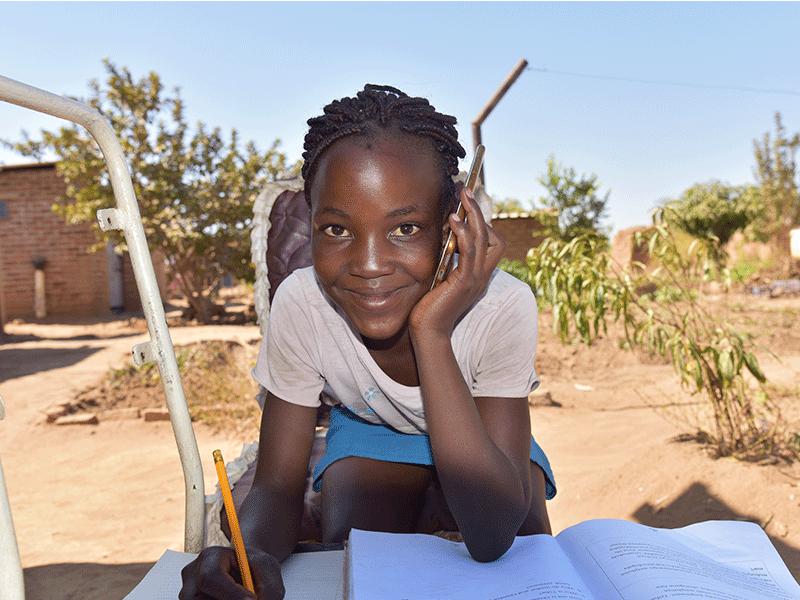
Africa
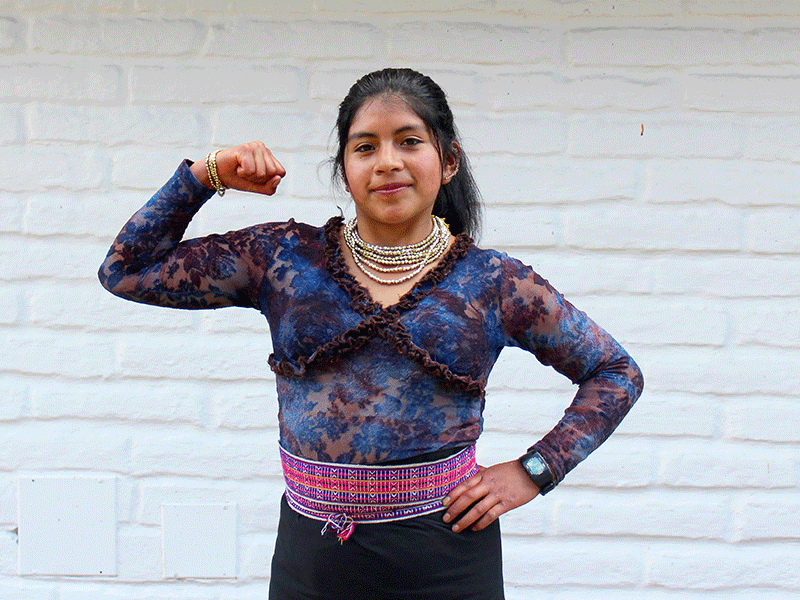
The Americas
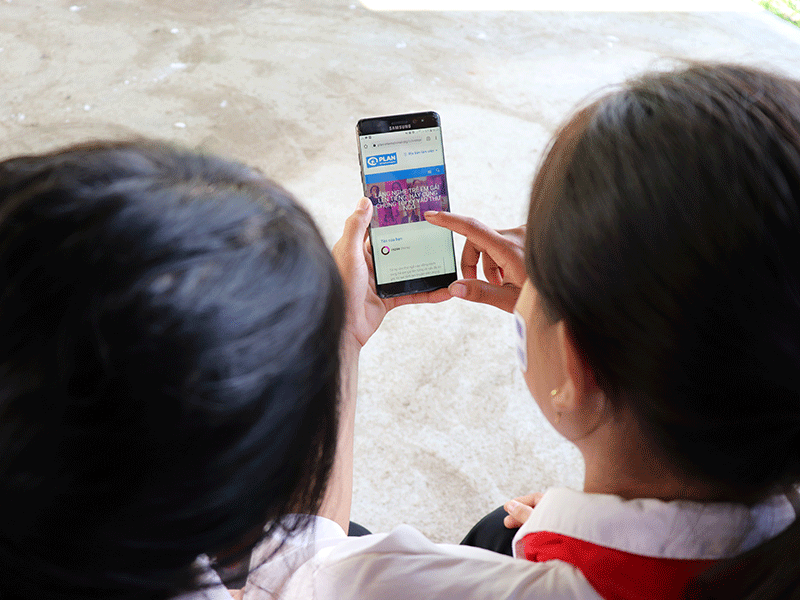
Asia
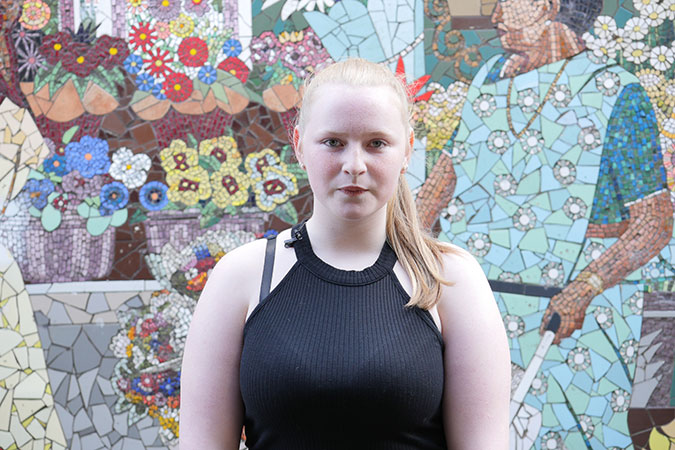
UK
How we raise money
Every day, the generosity of our supporters gives even more children the chance to thrive.
How Your Money is Spent
Read our annual reports and find out how your support is changing children's lives.
OUR STRATEGY 2021–2023
We have seen unprecedented progress in the fight against global poverty in recent decades, but we have a lot of work to do if we’re going to protect that progress against emerging challenges.
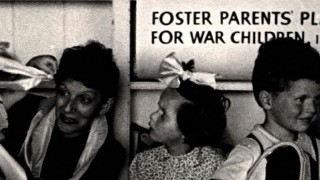
Our History
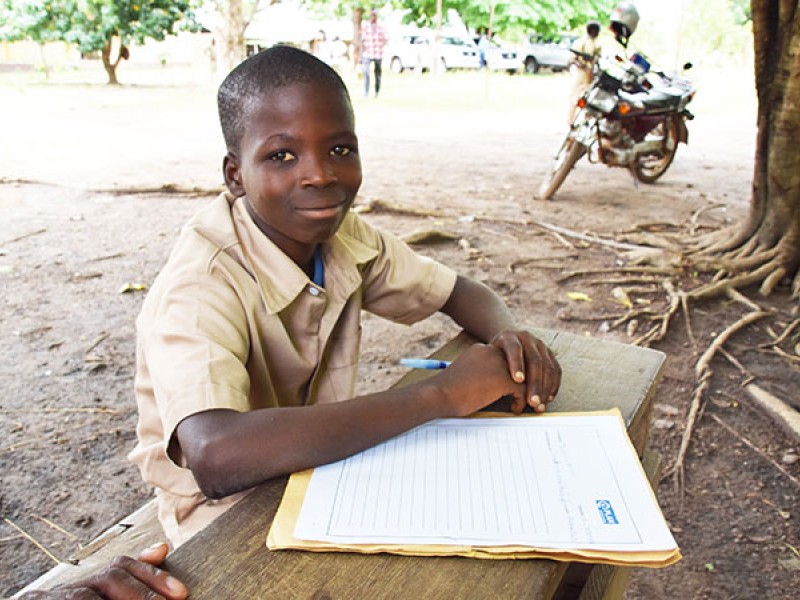
A pioneer of child sponsorship
In the beginning, the Foster Parents Scheme for Children in Spain asked British people to donate one shilling a day to provide a child with food and shelter. They also asked them to write letters and send photos to the child, to show them that someone cared about them.
This was the beginning of what we now call child sponsorship. Today, 71,000 children in 41 countries are being supported by sponsors around the world through Plan International UK.
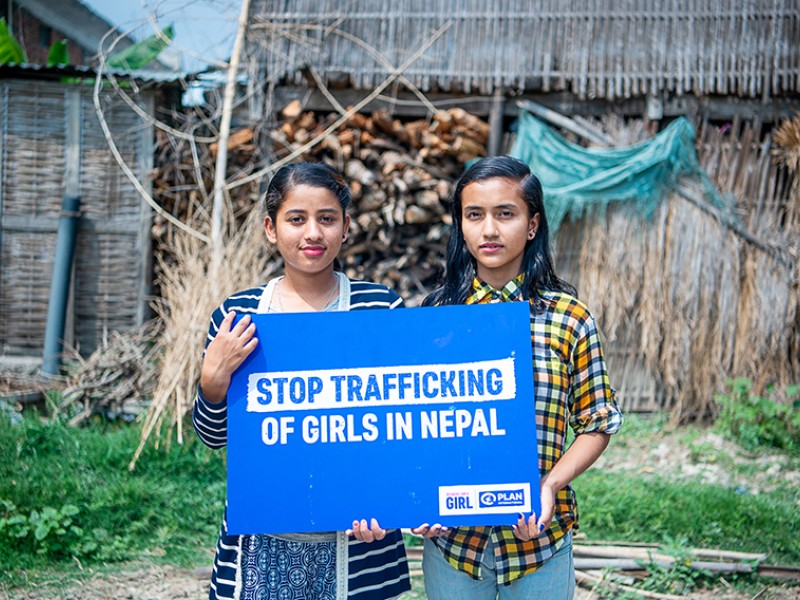
Our policy and campaigning work
Through our policy, advocacy and research we’re able to influence governments globally, to realise the rights of children and young people and to promote gender equality and girls’ rights.
We use the evidence and learning from our research and programmes to enable young people to take a stand on the issues that matter most to them – including through our Because I am a Girl campaign, tackling issues from child marriage and sexual exploitation at work to street harassment.
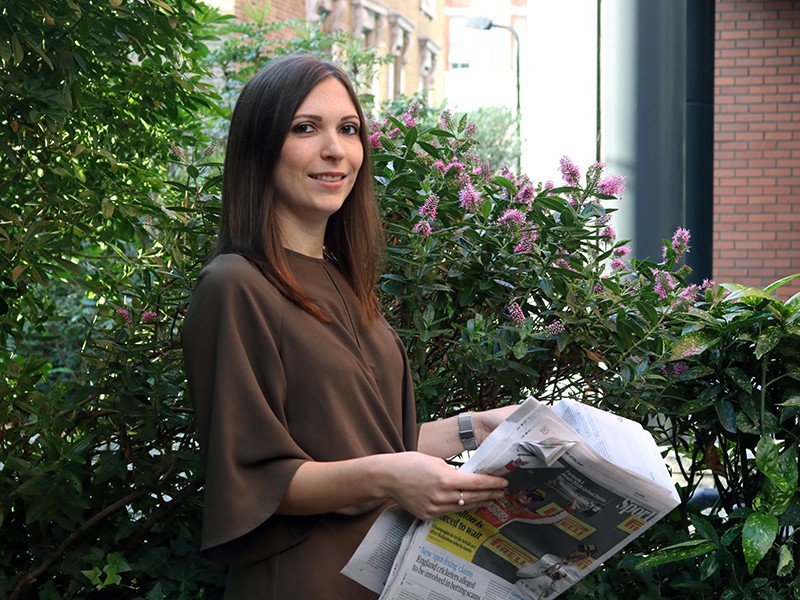
Our people
At Plan International UK, we come to work each day to make sure every child has the same chance in life. We won’t stop until every child can thrive and every girl has a fair, just world to grow up in – a vital step in building a better world for all children.
It’s our people’s passion, commitment, expert knowledge and skills that enable us to create lasting change for children and we’re proud to have young people at the heart of what we do.
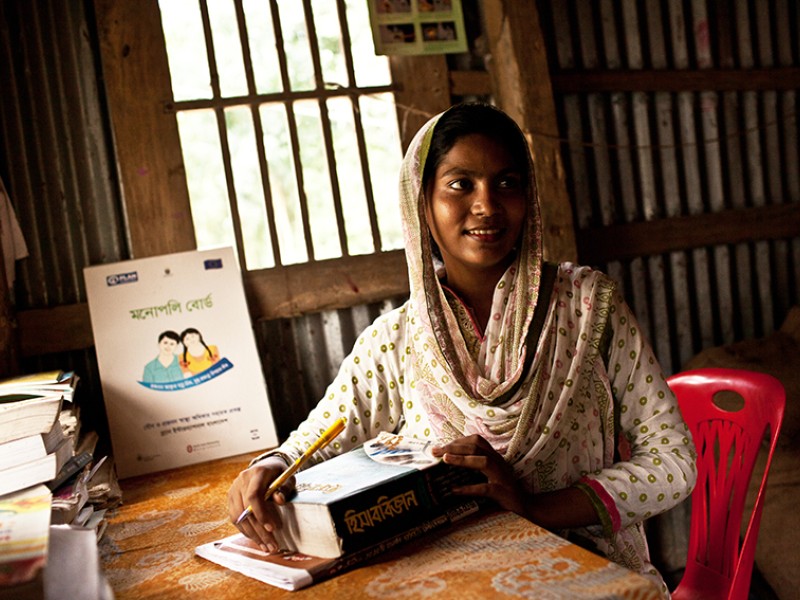
Safeguarding children and adults
Plan International UK exists to help children and young people, and we therefore take their safeguarding very seriously.
We have well established systems and policies, including training for all our employees, to ensure that we do everything we can to safeguard the children and young people we work with, and that we provide a safe working environment for everyone.
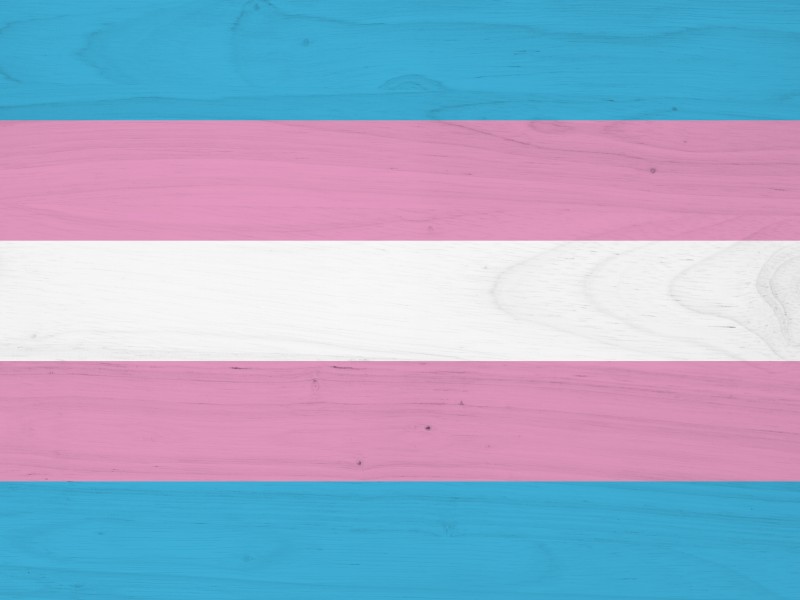
Our commitment to all children
Plan International UK is committed to ensuring that all children and young people, whatever their identity or circumstances, can access their rights.
This includes the rights of trans children and young people. We are therefore committed to being trans inclusive in our work, and as an employer. This enables us to achieve our mission – to achieve children’s rights and equality for girls - more fully.
Discover more
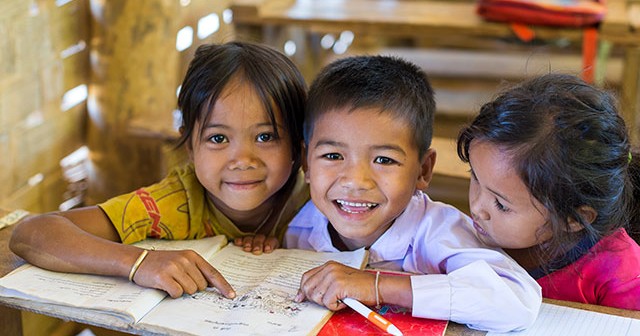
Education
Protecting every child’s right to an education and challenging the barriers that keep girls out of school.
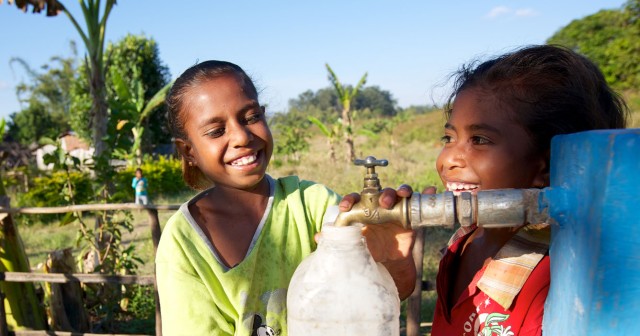
Health and water
Improving access to healthcare, clean water and toilets and protecting girls’ health rights.
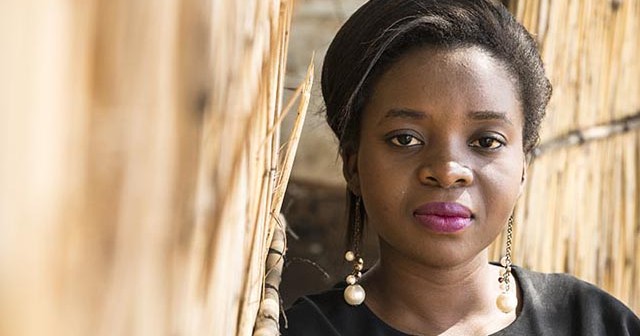
Ending child marriage
Working with girls, their families and communities to end child marriage around the world.
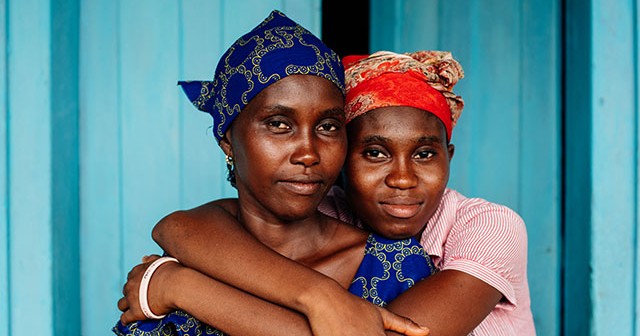
Female Genital Mutilation
Working with girls and their communities to protect future generations from FGM.
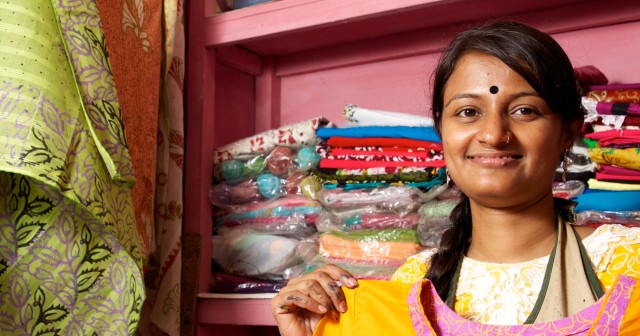
Economic Empowerment
Supporting children and their families to gain financial stability and secure a brighter future.
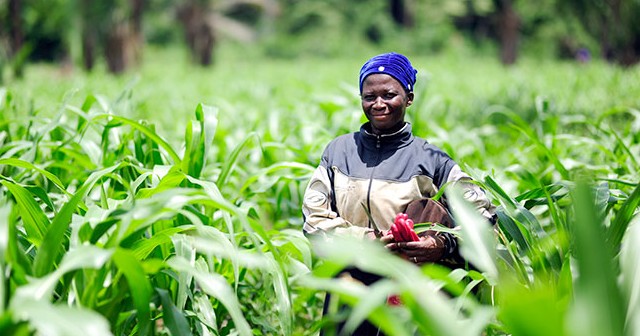
Climate change and young people
Young people across the world are battling more frequent and extreme weather and climate conditions, which are destroying crops, homes and livelihoods.
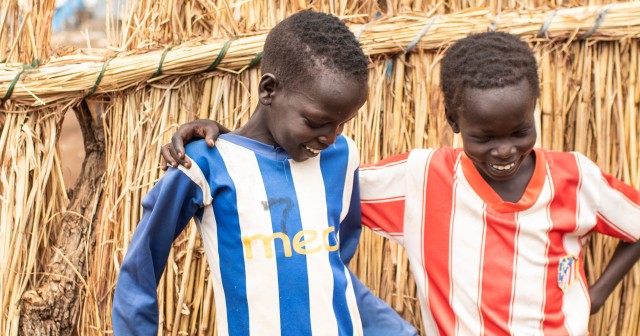
Disasters and Emergencies
Protecting children in times of crisis and helping communities prepare for future disasters.
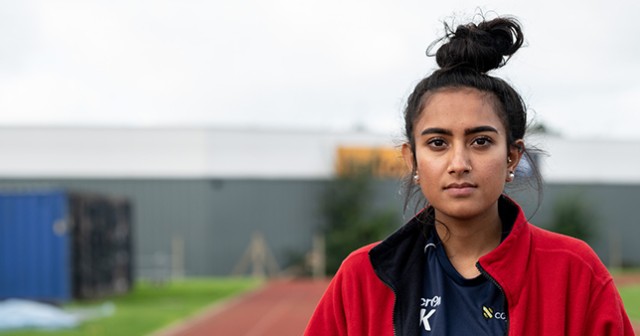
Girls' Rights in the UK
Addressing inequalities facing UK girls through ground-breaking reports and programmes.